Past Conferences
Australasian Coasts and Ports 2021 Conference
11-13 April 2022, Te Pae, Christchurch
Theme: Te Oranga Takutai | Adapt and Thrive
Welcome
E rau rangatira mā, tēnā koutou. The Local Organising Committee, under the auspices of the New Zealand Coastal Society, Engineers Australia’s National Committee on Coastal and Ocean Engineering, and PIANC Australia and New Zealand were pleased to host Australasian Coasts & Ports 2021; an amalgamation of the 29th New Zealand Coastal Society Conference; the 25th Australasian Coastal & Ocean Engineering Conference; and the 18th Australasian Port and Harbour Conference.
The Australasian Coasts & Ports Conference series is the pre-eminent forum in the Australasian region for professionals to meet and discuss issues extending across all disciplines related to coasts and ports. Our Conference theme “Te oranga takutai – Adapt and Thrive” recognises the dynamic coastal environment that we live in and the need for coastal communities to be resilient and adaptable to thrive. Ōtautahi Christchurch and the wider Canterbury region are outstanding examples of this, with major seismic events having caused rapid and significant changes to the coastal environment and substantial damage to public and private assets and infrastructure. These events provided an ideal laboratory to examine the ongoing physical and built environment adjustments, and the possibilities for building stronger, more resilient and vibrant communities.
The conference was due to be held 7-10 September 2021 at Te Pae, the Christchurch Convention Centre. As a result of the ongoing challenges in relation to the COVID-19 pandemic, the conference was first delayed and planned as a hybrid event, and then transitioned to a fully virtual event held online 11-13 April 2022. While this was a difficult decision for the LOC and disappointing not to be able to gather in person, this adaptation ultimately enabled the conference to proceed and thrive.
The Australasian Coasts & Ports 2021 conference (delivered virtually in 2022) was a huge success. The conference included over 160 authors presenting their papers, six keynote speakers of international standing, panels sessions on adaptation and indigenous perspectives, and four special sessions on important and relevant coastal challenges.
A particular highlight, and an advantage of the virtual format, was the ability to nimbly accommodate a special session on the Hunga Tonga-Hunga Ha’apai eruption and tsunami, including speakers live from the Kingdom of Tonga. The conference provided opportunities for networking amongst attendees, virtual exhibition space, virtual field trips and after-hours, panel-based young professionals and women in coastal geoscience and engineering events.
Australasian Coasts & Ports conference papers remain a highly relevant and useful resource for the Australasian coastal community and have been provided, open access and on the new perpetual website for the first time, via https://www.coastsandports.org/.
We would like to acknowledge Ngāi Tūā-hu-riri and Ngāi Tahu, mana whenua of Otautahi Christchurch, for welcoming us to their whenua and providing a setting, virtually, in which to ground our exchanges over the conference 3 days. A huge and heartfelt thank you to our LOC who worked tirelessly to bring each aspect of the conference to life: they are an exceptional group of humble, collaborative and expert professionals. A special thank you to Encanta who worked extremely hard bringing this conference together through its multiple stages and to Eventfrog for coordinating and making the virtual event such a success.
A big thank you to our sponsors and exhibitors, to our abstract and paper reviewers, our speakers and our registrants, for sticking with us through the evolution of the conference and for making this proceedings record of events such a rich, ongoing resource.
Ngā manaakitanga,

Deirdre E. Hart and Tom Shand
Full Papers
You can access the 2021 full papers by clicking the “View Full Papers” button below.
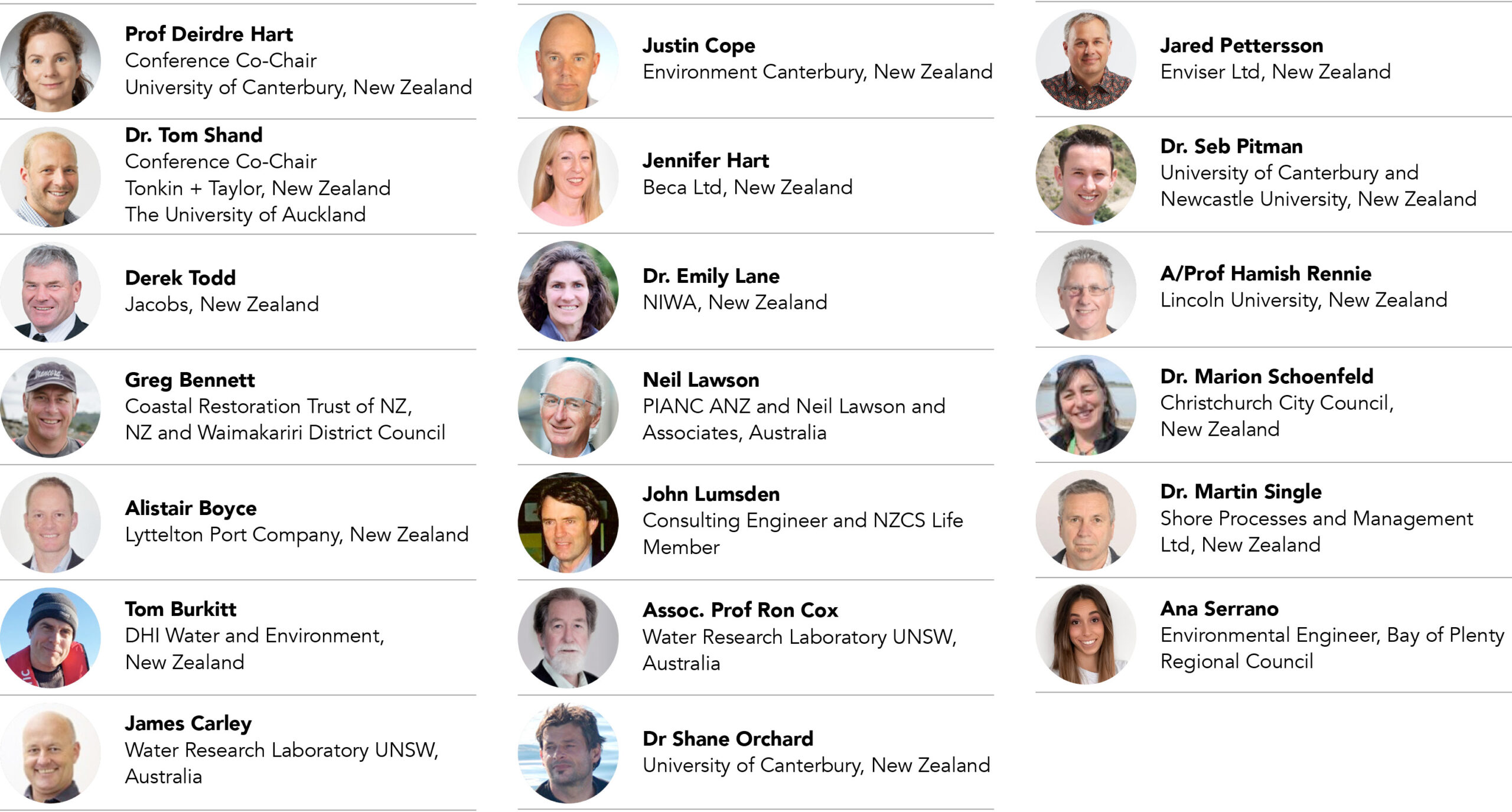
Local Organising Committee
Sponsors
Pounamu (Greenstone) Sponsor


Kahikatea Sponsor
Resilience Sponsor

Sustainability Sponsor
Pīkao (Gold) Sponsor
Plenary Keynote

Plenary Keynote
Women in Coastal Geoscience and Engineering Function
Satchel
PIANC Young Professionals Networking Function

Pocket Programme Sponsor

Gold Sponsor
Kotuku (Silver) Sponsor
Water Bottle
Special Topic Keynote

Special Topic Session
Closing Function

Sustainability Award

Field Trip
Field Trip
Technical Stream
Kōura (Bronze) Sponsor
Technical Stream

Technical Stream

Technical Stream

Technical Stream
Technical Stream

Technical Stream
Programme
The virtual conference will commence on Monday, 11 April 2022 and will conclude on Wednesday 13 April 2022.
The programme will include:
- Virtual trade exhibition;
- Three-day technical programme;
- Women in Coastal Engineering event
- Young professional event
- NextGen Lightening Talk session
- Networking opportunities with other delegates, speakers and industry
- Virtual activities within the conference platform
Keynote Speakers

Lianne Dalziel
Christchurch Mayor
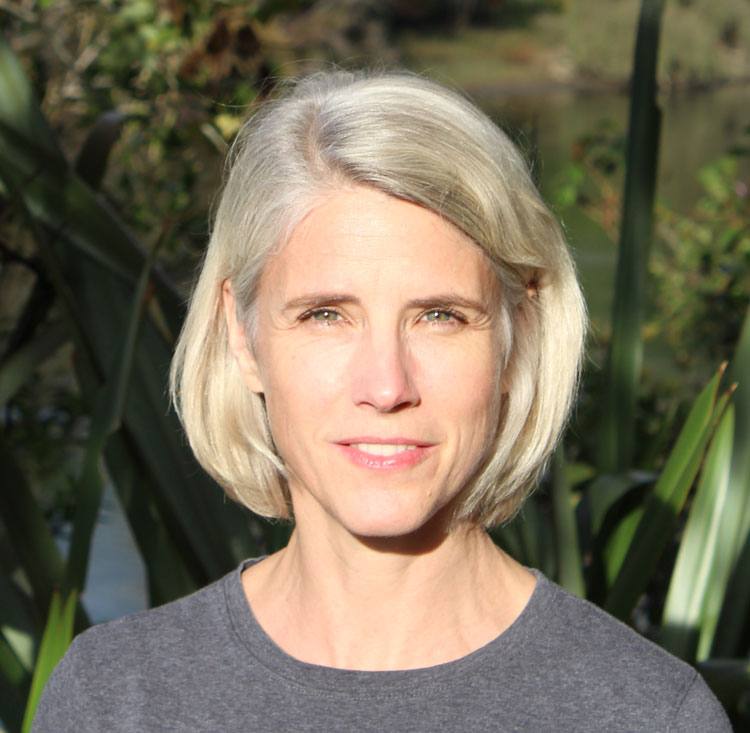
Karin Bryan
Director, Environmental Research Institute, University of Waikato
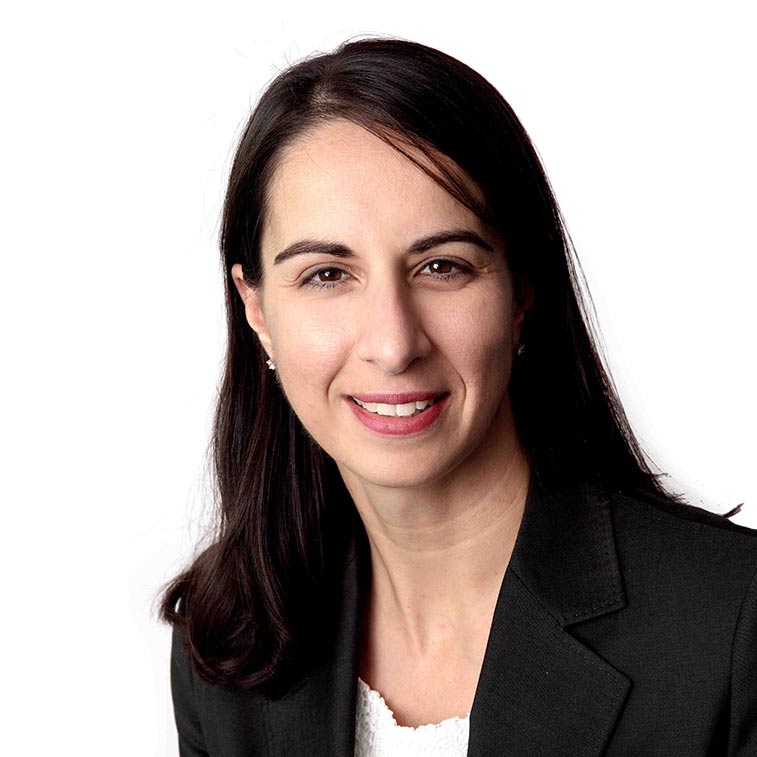
Marika Calfas
Chief Executive Officer, NSW Ports
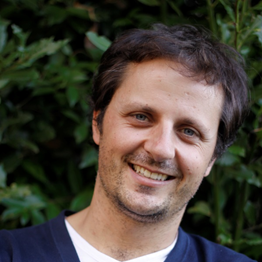
Mitchell Harley
Scientia Senior Lecturer
Water Research Laboratory (WRL), School of Civil and Environmental Engineering, UNSW Sydney
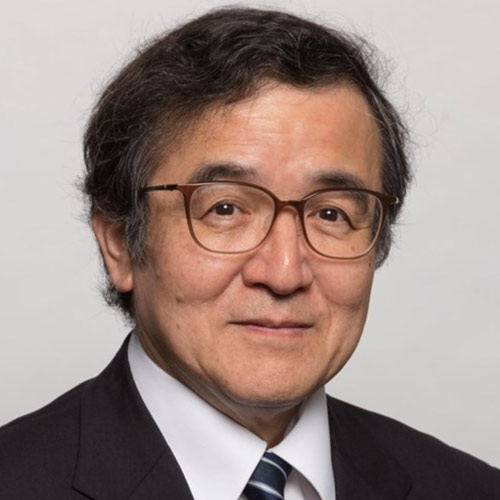
Dr. Tomoya Shibayama
Professor of Coastal Engineering at Department of Civil and Environmental Engineering,
Waseda University in Tokyo, Japan

Manea Sweeney
Pou Ārahi: Director, Engagement and Environments
Tonkin + Taylor Ltd
Panels and Special Sessions
Panel Discussion: Women in Coastal Geoscience and Engineering
“Career reflections: Career journeys and how do we work for inclusion?”
Summary
This brought together colleagues of all genders to discuss how our profession can move positively forward in promoting equal opportunity for all. We discussed the challenges associated with stereotypes – from young females being given ‘pink tasks’, to gay men being excluded from social networking events at work as they were perceived to not enjoy sports, to those navigating how to be true to all facets of one’s culture and history. Despite these challenges, we also heard how our panelists have moved beyond them and have advocated for others and called out unacceptable behaviour. We thank our panelists for being so open, vulnerable and generous with their stories and furthering discussion on how we can (and must) work better for inclusion in the future.
Panel Chair: Assoc Prof. Kristen Splinter, Water Research Laboratory, University of New South Wales
Panel Coordinator: Dr Shari Gallop, University of Waikato
Panel Participants:
- Manea Sweeney, Pou Ārahi: Director, Engagement and Environments, Tonkin + Taylor
- Mandi Thran, Research Associate, Water Research Laboratory, University of New South Wales
- Michael Sanders, Director Maritime, Royal Haskoningdhv
- Derek Todd, Principal Coastal And Hazards Scientist, Jacobs New Zealand Ltd
- Kelly Dombroski, University of Canterbury
Panel Discussion: PIANC Young Professionals Panel Event
Summary
About 45 young professionals from a wide variety of backgrounds enjoyed an online networking and mentoring session where they heard from 4 experienced panellists from engineering or coastal science and had the opportunity to network with each other and to quiz the panellists about professional and personal development. The panellists shared their individual stories and offered advice on what young professionals should do to develop themselves and approach their careers. Among other well received words of wisdom, participants learned the values of striking a life-work balance early in their careers, how to leverage personal development opportunities outside work, how confidence and leadership skills can be learned, and they heard about the value of being assertive and seeking exposure to a range of experiences and in proactively developing one’s professional network.
Panel Chair: Claire Treeby, Senior Ports Engineer with Hatch and PIANC Young Professionals Chair for Australia
Panel Organizers: Tom Burkitt (DHI), Claire Treeby (Hatch), Bridget Allan (BECA), Renee Bennett (Encanta)
Panel Participants:
- Dr Rochelle Macdonald, Independent & Experienced Maritime Executive
- Greg McMullan, Ports Engineer, WSP, NZ
- Dr. Dierdre Hart, Principal Coastal Scientist, University of Canterbury, NZ
- Dr. William Glamore, Professor and Principal Research Fellow, University of NWS Water Research Laboratory
Special Session: Coastal Hazard and Climate Change Adaptation – Does the theory meet the practice? A range of perspectives and opportunities
With sea levels projected to rise by up to 400 mm within 30 years and up to a metre by 2100, many low lying coastal and inland communities across the country need to understand and plan for increased flooding, erosion and rising groundwater. The theory behind adaptation planning has been extensively outlined in national guidance and is a strong focus for the research community. However, the practical realities of applying this approach to communities remains an issue. The focus of this special topic has been turning theory to practice for adaptation planning including establishing and building a mandate for adaptation work, keeping communities engaged and empowered throughout the process, minimising equity issues, and consideration of funding and implementation commitments. The panel brought many different perspectives and experiences to this debate.
Panel Chair: Derek Todd, Principal Coastal Scientist, Jacobs
Panelists:
- Sara Templeton, Christchurch City Council
- Katherine Wilson, Director, Climate Adaption & Evidence, Ministry for the Environment | Manatū Mō Te Taiao
- Dr Rob Bell, Managing Director Bell Adapt Ltd.
- Stuart Bettington, Technical Director Coastal and Maritime, Royal HaskoningDHV
- Angus Jackson, Principal Engineer ICM.
Special Session: Indigenous Perspectives on Coastal and Port Environments
The Pacific Ocean, Te Moana-nui-a-Kiwa, is vast and its indigenous peoples have always been closely connected to the sea, both through long ocean going voyages and more locally through coastal settlements, livelihoods, and practices. The recognition of indigenous rights and the value of indigenous knowledge systems are integral features of coastal and port environmental management. This panel discussion covered theory and practice of planning and decision-making that recognises and accommodates indigenous and non-indigenous world views in addressing environmental management in port and coastal contexts.
Panel Chair: Andre Konia, Pou Ārahi, NIWA Taihoro Nukurangi
Panelists:
- Makarini Rupene, Pou Matai Ko – Cultivating & Understanding of Mahinga Kai – Northern Environment Canterbury
- Tahu Stirling, Māori Development Advisor at Lyttelton Port Company
- Courtney Bennett, Director, Senior Advisor Kete Planning Consultancy.
Special Session: Hunga Tonga - Hunga Ha’apai
At approximately 5pm local time (04:00 UTC) on 15 January 2022 the Hunga Tonga-Hunga Ha’apai volcano erupted explosively sending a volcanic plume over 55 km into the atmosphere and sending atmospheric pressure waves around the world several times over. The sound of the eruption was heard as far away as Canada. The volcanic eruption also generated a local tsunami that inundated substantial parts of Tongatapu and other islands in the Tongan Archipelago with runup over 15 m above sea level in places and a global tsunami that was measured all around the world. The local tsunami was likely generated by a range of mechanisms including the explosive eruption, pyroclastic flows from column collapse, as well as caldera and flank collapse and was reinforced by the atmospheric pressure wave. The far-field tsunami was generated as a volcanic meteo-tsunami by the rapidly moving atmospheric pressure disturbance – a phenomenon first identified in the 1883 Krakatau eruption in Indonesia. This special session brought together experts from Tonga, Aotearoa and Australia to discuss all aspects of the event including the impacts of the volcano and tsunami in Tonga, the ongoing recovery and the relief efforts, as well as the best scientific understanding to date about the volcanic eruption, the mechanisms involved in the local and the far-field tsunamis and the observations and impacts of the tsunami in Aotearoa and Australia.
Session Chair: Dr Shaun Williams, Scientist Natural Hazards & Risks, NIWA Taihoro Nukurangi
Session Invited Speakers:
- Taaniela Kula, Deputy Secretary at Ministry of Lands and Natural Resources, Tonga
- Ofa Fa’anunu, Director of Meteorology and Coast Watch Services at Tonga Meteorological Services
- Siautu Alefaio, Assoc. Prof., Massey University, Psychology
- Emeline Afeaki-Mafile’o & Sana Vaifoou, Affirming Works
- James White, Prof., Univ. of Otago
- Emily Lane, Principal Scientist, NIWA Taihoro Nukurangi
- Prof Charitha Pattiaratchi, The University Of Western Australia
- Gareth Davies, Geoscience Australia
- Jose Borrero, Director – ECoast
Special Session: Coastal Earthquake Resilience and Recovery
The Christchurch and Kaikōura Earthquakes caused significant impacts to the natural and built environments that include lasting changes to coastal communities and ecosystems at a considerable scale. While much of the initial effects were destructive, the earthquakes have also presented opportunities to rebuild better, taking into account changes in communities and accommodating future challenges. This special topic invited papers on the changes to natural systems, and the science, engineering, policy and community responses to these major events.
Session Chair: Dr Tom Shand, University of Auckland | Tonkin + Taylor Ltd.
Session Keynote: Manea Sweeney, Pou Ārahi: Director, Engagement and Environments, Tonkin + Taylor Ltd. Moving Mountains to reconnect communities – Lessons from the Kaikoura Earthquake Transport Infrastructure Recovery
Special Session: Emerging Technologies in Coastal Science and Engineering
Coastal science and engineering is dependent on our understanding of the natural systems and processes. Recent advances in technology have greatly increased the volume, frequency and quality of data that can be obtained. This special topic invited papers on emerging technologies including (but not limited to) mobile technologies, remote sensing (e.g. satellite/ UAV imagery), remote vehicle and machine learning applications.
Session Chair: Ian Coghlan, UNSW Water Research Laboratory
Session Keynote: Dr Mitchell Harley, Scientia Senior Lecturer, UNSW Water Research Laboratory. Emerging Technologies in Coastal Science and Engineering
Special Session and Workshop: Surf Science, Engineering and Management
The surf zone is one of the most dynamic, energetic and resource rich coastal zones, extending from the shoreline to the edge of the breakers. This topic invited papers concerned with any aspect of surf zone use, management, science and engineering, including (1) the morphodynamics of surf zone waves, currents and sediment transport; (2) applied science applications such as recreational amenity (e.g. surf break engineering and modelling) and beach safety; and (3) community engagement with and values relating to surf zones and their management.
The workshop was facilitated by the Aotearoa New Zealand Association for Surfing Research and contributes to a new project on research priorities within the surf science & management field. The workshop session discussed and analysed a set of case study examples submitted in pre-workshop activities from which other research topics and priorities were identified to generate a diverse set of ideas. The next stage of the project will use an online survey to collect a further round of coastal science and management perspectives (see www.anzasr.org).
Session and Workshop Chairs: Dr Shane Orchard, University of Canterbury; Ed Atkin, Director eCoast
Special Session: Special Session on Contemporary Coastal Challenges
Approaches to managing the dynamic coastline of Australia and New Zealand is an evolving field, subject to changes in policy, new science, engineering techniques and community expectations. This session invited speakers to present to the conference on relevant and contemporary coastal challenges including balancing coastal protection with community expectation and incorporating ecosystem services into engineering approaches.
Session Chair: Mark Ivamy, New Zealand Coastal Society Co-Chair, Bay of Plenty Regional Council
Session Invited Speakers:
- Peter Horton, Principal Coastal Engineer, Horton Coastal Engineering Pty Ltd. Construction of Private Seawalls at Collaroy-Narrabeen Beach – a 19th Century Approach to a 21st Century Problem?
- Rebecca Morris, Program Lead – Eco-engineering, National Centre for Coasts and Climate, University Of Melbourne. Nature Based Guidelines
- Matthew Allen, Founder, Business Development Manager, Subcon. Ecosystem Engineering – Habitat Inclusive Design to Address Coastal Challenges
NextGen Lightning Talks
NextGen Lightning Talks replaced posters at Coasts & Ports 2021 as a way of bringing the next generation of researchers and young professionals into the spotlight. These talks included 5 min ‘lightening’ presentations followed by 3 mins of Q&A. This session was a great success with some fantastic talks by passionate and capable NextGen presenters. The future of coastal science and engineering is bright.
Session Chair: Eddie Beetham, Tonkin & Taylor
Lightning Talks:
- Mojgan Razzaghi, The University of Waikato Tidal attenuation and salinity regimes in a highly modified shallow estuary: Te Awa o Ngātoroirangi (the Maketū Estuary)
- Cristina Viola. Impacts of Pacific and Southern Ocean Climate Modes on New South Wales Tidal Residuals, Australia
- Holly Blakely, The University of Auckland. The exposure and adaptation of coastal infrastructure to wave overtopping in New Zealand
- Madeline Witney, The University of Auckland. Coastal structure stability and failure mechanisms in New Zealand
- Matthew Hayward, The University of Auckland. Submarine explosive volcanism – numerical modelling of tsunami hazard
- Akuhata Bailey-Winiata, The University of Waikato. Coastal marae and urupā: What about sea level rise?
- João Claudio Mussi De Albuquerque, The University of Auckland Metocean Solutions. On the projected wave climate of New Zealand
Conference Sustainability
The LOC made an early commitment to ensure that Coasts & Ports 2021 would be a truly sustainable event with a negligible environmental and carbon footprint. This involved ensuring that all items in the delegate satchels and gift packs were sustainably sourced, and that we offset all emissions from activities performed during event preparation, satchel delivery, attendance, and post event administration. With the shift to the virtual format, we reduced our carbon footprint to 5.01 tCOE2, and have invested in NZ based native forestry offsets equivalent to 10.21 tCO2e to offset 200% or twice the total emissions for the event.
With this commitment and achievement, we are pleased to confirm that C&P 2021 has become the first certified Climate Positive conference to be run in Australasia. To be verified and certified as Climate Positive requires that at least 120% of associated emissions are verified and offset, and we’ve deliberately offset more than that. We hope this sets a strong precedent for future C&P conferences to follow.
If we commit to a climate positive outcome for all future events, then we may – over time – be able to offset the emissions from all C&P conferences past, present, and future. That would be true climate leadership. We thank the support of WSP, Ekos Kamahi Ltd. and Tonkin & Taylor in assessing and offsetting the carbon footprint.
LOC Champion: Tom Burkitt, DHI; Emily Lane, NIWA, Marion Schoenfeld, Christchurch City Council
Field Trips